We uncover how hidden regions of our DNA reshape cellular identiy, immune responses, and disease evolution.
We develop computational approaches to resolve the hidden, repetitive regions of the genome and measure when and how they become active.
#LongReadSeq #RepeatGenomics #EpigenomicsWe study how repeat-derived nucleic acids reshape cell states, plasticity, immune signaling, and tissue homeostasis.
#scRNAseq #SpatialGenomics #TumorEcologyWe trace these programs across cancer, aging, and neurodegeneration to reveal shared mechanisms and new therapeutic opportunities.
#Nextflow #Python #HighThroughputBioWe combine statistical learning, AI, single-cell and spatial genomics, evolutionary modeling, and experimental collaboration. Every model begins with a biological question—and ends with a testable prediction.
We partner closely with oncologists, cancer immunologists, and clinical trial teams to translate non-coding genomic discoveries into therapeutic strategies. By pairing high-resolution computational pipelines with patient biospecimens, we engineer actionable interventions and precision immunotherapy platforms.
Identifying tumor-specific cryptic peptides and neoantigens derived from transposable element activation to design custom mRNA and peptide immunotherapies.
Directly profiling patient biopsies via single-cell RNA-seq and spatial transcriptomics to map native tumor heterogeneity and repeat-induced immune niches.
Leveraging transposable element reactivation profiles and dsRNA sensor levels as predictive biomarkers for checkpoint inhibitor response and tumor recurrence.
Deploying scalable, reproducible analysis pipelines on longitudinal clinical trial cohorts to monitor dynamic immune activation and escape mechanisms.
We actively collaborate on clinical trial correlative studies, neoantigen discovery projects, and translational grant proposals.
Cell Genomics (2025)
Immunity (2024)
Cancer Discovery (2024)
Cancer Discovery (2025)
Cell (2024)
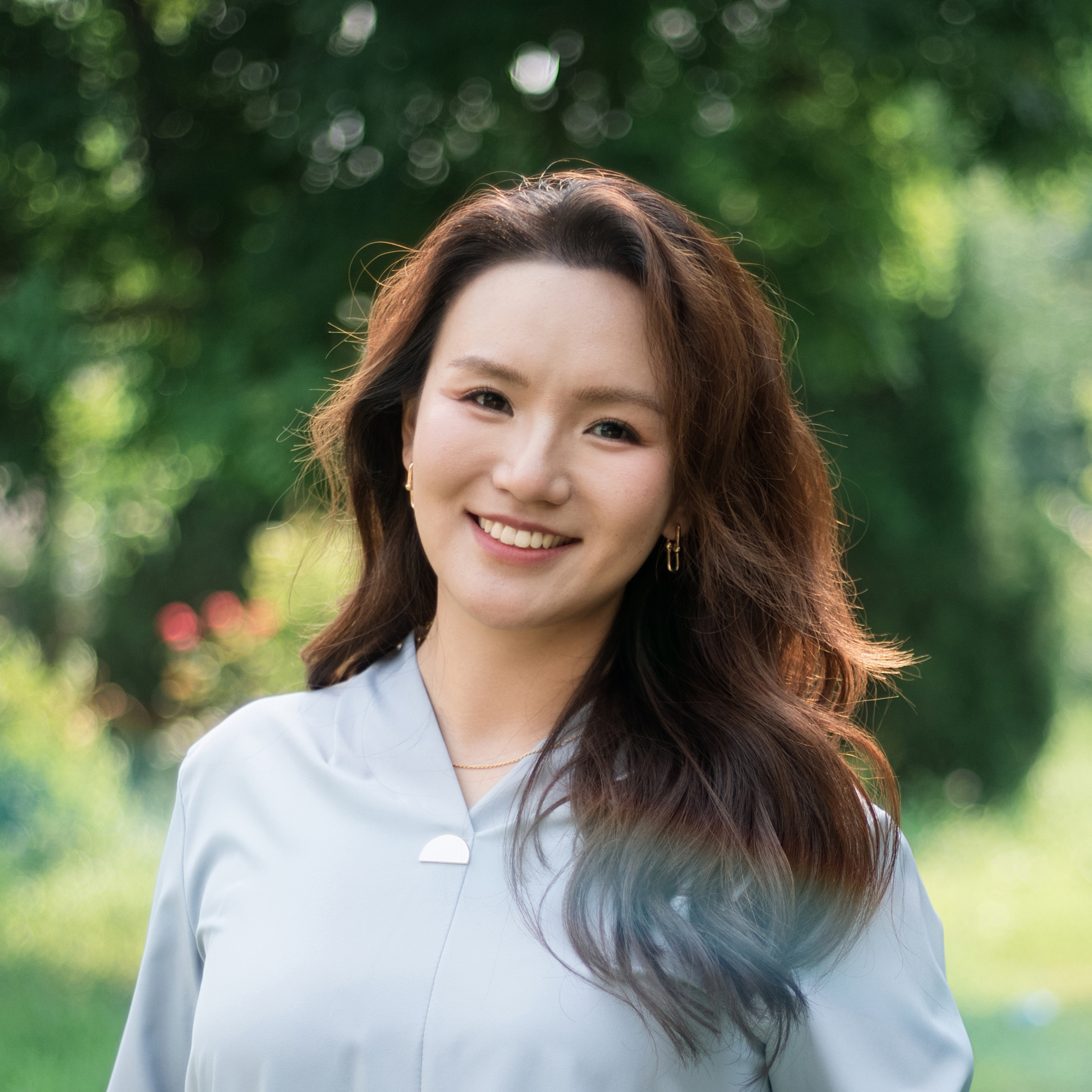
Assistant Professor • Computational Biology & Cancer Genomics
Focuses on understanding non-coding genomic regulation, retrotransposon biology, and computational oncology through single-cell and high-throughput methodologies.
Computational biology, repeat genomics, and single-cell analysis.
Pipeline orchestration, HPC management, and genomic data science.
Ph.D. rotations and Master's thesis projects in systems biology.
We are building a supportive, rigorous, and collaborative research environment where computational and quantitative scientists tackle high-impact problems in cancer biology.
Candidates must hold or be completing a Ph.D. in System Biology, Evolutionrayr Biology, Computational Biology, Bioinformatics, Computer Science, or a related field. Strong programming proficiency in Python/R, experience with high-throughput sequencing datasets (RNA-seq, single-cell multi-omics), and first-author publications are required.
B.S. or M.S. in Bioinformatics, Computer Science, or Data Science. Responsible for maintaining scalable data analysis workflows (Nextflow/Snakemake), managing genomic data pipelines, and contributing to primary collaborative manuscripts and grant writing.
Please email your inquiry directly to Dr. Sun at siyu_sun@urmc.rochester.edu with the subject line format:
[Sun Lab Application] - [Position] - [Your Name]